/cdn.vox-cdn.com/uploads/chorus_image/image/70269281/112379621.0.jpg)
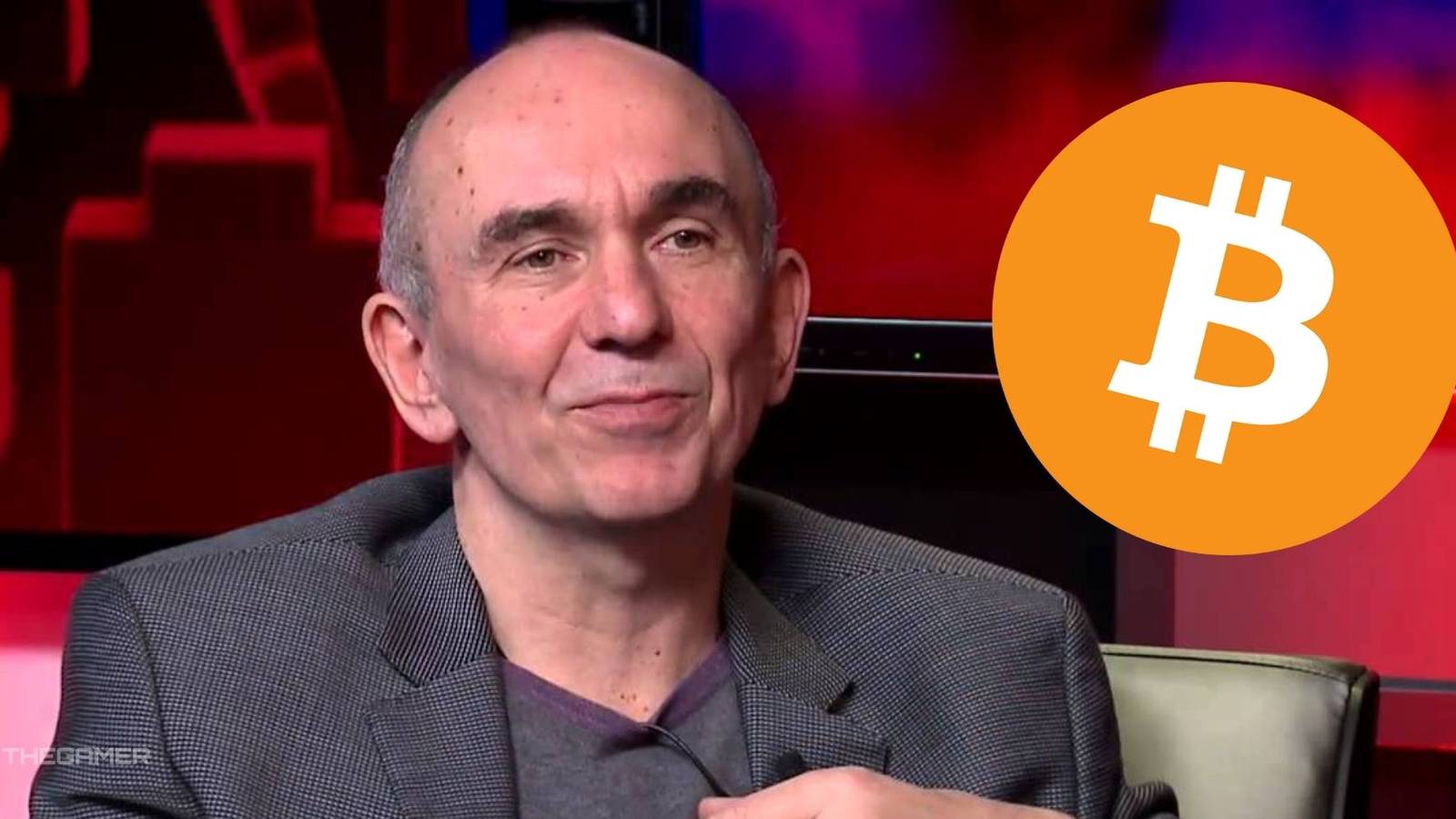
Peter Molyneux is a name that once carried mythic weight in gaming. The creator of Populous, Dungeon Keeper, and Black & White was hailed as a visionary—a godfather of god games. But behind the accolades lies a trail of broken promises, failed projects, and real financial losses. The most painful chapter? The collapse of Godus and the implosion of 22cans, the studio built on Kickstarter dreams and sky-high expectations.
It wasn’t just fans who got burned. Investors, employees, and backers poured time, trust, and money into Molyneux’s vision—only to watch it wither. This is the story of the people who lost big.
The Kickstarter Dream That Turned to Dust
In 2012, Peter Molyneux launched a Kickstarter for Godus, a spiritual successor to Populous. The pitch was intoxicating: a god game where players shaped worlds, guided civilizations, and influenced evolution—all in real time. The campaign raised £526,281 (over $800k at the time), with 16,755 backers, many of whom paid hundreds for premium rewards.
But Godus never delivered.
The game launched in Steam Early Access in 2013 as a bare-bones pixel art simulation with none of the promised features—no multiplayer, no campaign, no world persistence. What backers received was closer to a tech demo than a finished product. Updates slowed. Promises were deferred. Molyneux’s infamous “I will eat my own dog if Godus doesn’t ship on time” joke became a meme of broken accountability.
Backers Who Paid for Promises, Not Product
Consider Mark R., a backer from Edinburgh who paid £150 for a “Founder’s Pack.” He expected early access, a physical art book, and a role in shaping the game. Three years later, he received a download link and a PDF labeled “concept art.” The art book never shipped.
“I backed Godus because I believed in Molyneux,” Mark said. “I’d played Black & White as a kid. This felt like a chance to be part of gaming history. Instead, it felt like being sold a ghost.”
He’s not alone. Hundreds of backers reported similar experiences—delays, ignored messages, and digital goods that barely justified the price. Some paid over $500 for “Producer” or “Executive Producer” tiers, expecting direct contact with the team. Most never heard back.
Investors Who Bet on a Fallen Star
Beyond Kickstarter, Godus attracted serious investment. In 2013, 22cans secured a $2 million investment from an unnamed European venture capital firm. The goal? Scale Godus into a cross-platform phenomenon. But as development stalled, so did confidence.
By 2015, the VC had pulled out. According to industry insiders, the firm lost the bulk of its investment. One source, who asked to remain anonymous, said: “They bet on Molyneux’s name, not the product. When it became clear the team couldn’t deliver, they cut their losses.”
The studio pivoted repeatedly—toward mobile (Godus Wars), blockchain, and even AI-driven games. But credibility was gone. Trust, once broken in public, is hard to rebuild.
The Cost of Overpromising
Molyneux’s pattern of overhyping is well-documented. At E3 2009, he demoed Fable II with features that didn’t exist, calling it “emotionally transformative.” Players found a solid RPG—but not the revolution he described.
With Godus, the problem wasn’t just unmet expectations. It was the erosion of trust. Developers who joined 22cans later admitted they were blindsided by the gap between vision and reality.
“Peter would announce features in interviews before we’d even designed them,” said a former 22cans programmer. “We were scrambling to catch up to his mouth.”
This culture of overpromising didn’t just alienate backers—it made investors nervous. When you can’t deliver on a $800k Kickstarter, why trust you with millions?
Employees Who Lost Time and Faith For the developers at 22cans, the Godus saga wasn’t just a professional setback—it was a personal one. Many joined the studio inspired by Molyneux’s legacy. They believed they were building something revolutionary.
Instead, they spent years refining a game that never launched properly.
Salaries were modest. Crunch was real. And as the delays mounted, morale plummeted. By 2016, half the team had left. Some moved to indie studios; others left the industry entirely.
One former designer, Sarah K., said: “I spent two years of my life on Godus. I missed weddings, birthdays, family trips. And in the end, what did we ship? A glitchy sandbox with no ending.”
The emotional toll was heavy. Developers watched their work mocked online. Memes spread. Molyneux’s name became synonymous with vaporware.
Publishers Who Walked Away
Even traditional publishers hesitated. After Microsoft acquired Lionhead Studios in 2006, Molyneux stayed on as creative director. But his later projects—Fable: The Journey, Milo and Kate—failed commercially. Microsoft quietly distanced itself.
When Godus faltered, no publisher stepped in to rescue it. EA, once a partner on Black & White, declined to comment. Ubisoft passed. The message was clear: Molyneux’s brand had lost its commercial weight.
Publishers invest in track records. Molyneux’s recent history—canceled prototypes, abandoned features, fan backlash—made him a liability, not an asset.
The Ripple Effect on Crowdfunded Game Development
Godus didn’t just fail as a game. It damaged the credibility of crowdfunding in gaming.
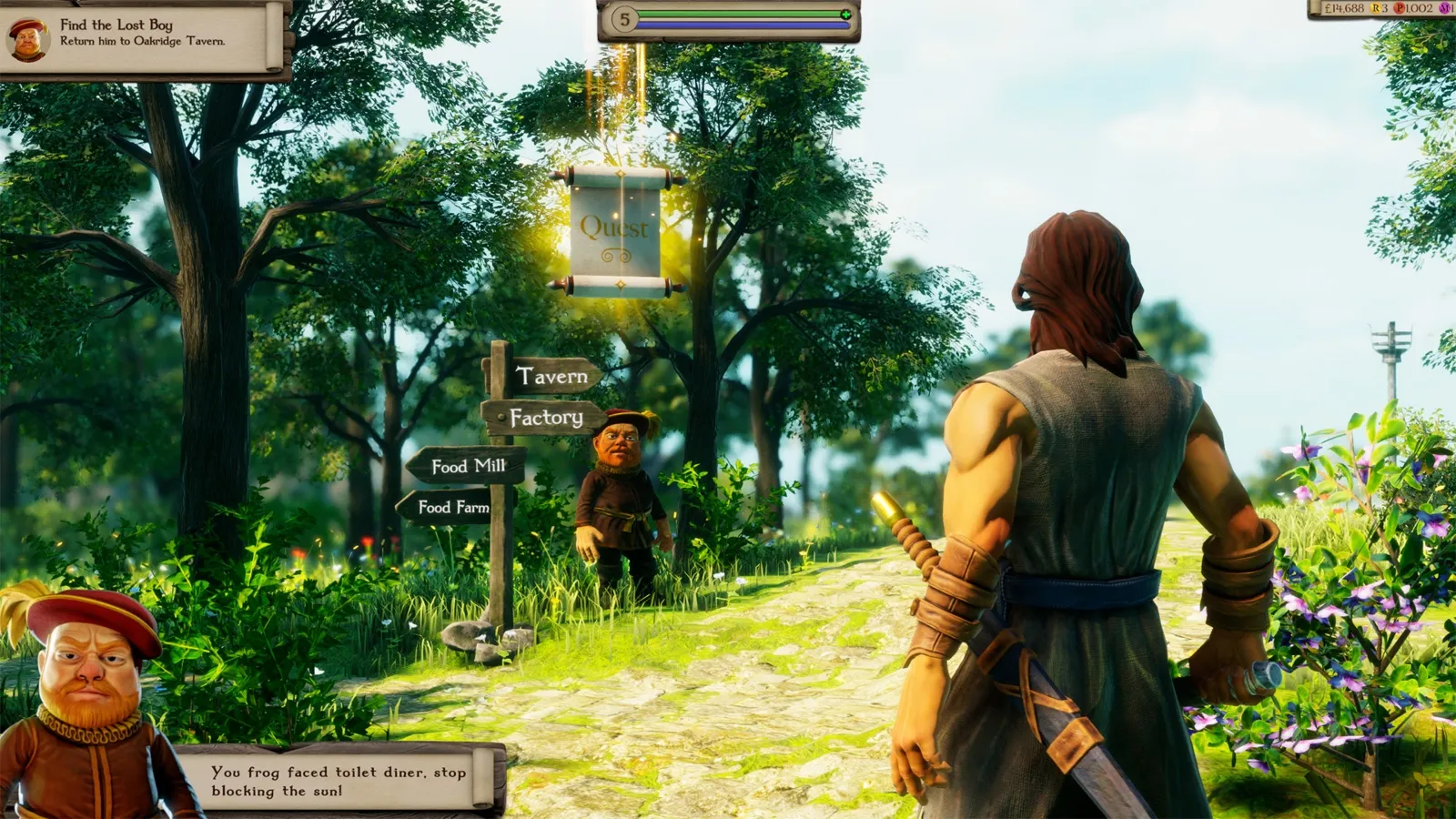
After Godus, other high-profile Kickstarters faced harsher scrutiny. Backers became wary of bold claims, especially from veteran developers. Projects like Yooka-Laylee and Bloodstained had to work harder to prove they weren’t repeating Molyneux’s mistakes.
Platforms like Kickstarter and Fig began enforcing stricter disclosure rules. “We learned from Godus,” said a Kickstarter gaming lead in 2017. “We now require clearer roadmaps and realistic scope.”
But the damage was done. Thousands of small backers lost money on projects that cited Godus as inspiration—only to suffer similar fates.
Why Molyneux’s Legacy Is Now a Cautionary Tale
Peter Molyneux isn’t a fraud. He’s a brilliant designer who helped shape modern gaming. But his inability to align vision with execution turned him into a warning.
The players who lost money—whether $10 or $100,000—weren’t just funding a game. They were buying into a dream. And when that dream collapsed, the fallout was real.
Backers lost faith. Investors lost capital. Developers lost careers. The industry lost a chance to reinvent the god game genre.
Molyneux eventually admitted fault. In a 2015 interview, he said: “I make these promises thinking I can deliver. But I’ve learned that ambition without delivery is just noise.”
Too late for those who believed.
Lessons From the Ashes
What can developers, investors, and backers learn from the Godus disaster?
For Backers: - Research the team’s track record, not just the name. - Ask for updated roadmaps and dev logs. - Be wary of stretch goals that sound too good to be true. - Treat crowdfunding like a donation, not a purchase.
For Developers: - Under-promise, over-deliver. - Communicate delays early and honestly. - Avoid public commitments before technical validation. - Use crowdfunding to validate, not fund, entire development.
For Investors: - Evaluate execution capability, not just pedigree. - Demand milestones and reporting. - Avoid hero-worship in decision-making. - Know when to exit.
A Legacy Built on Sand
Peter Molyneux’s genius is undeniable. But genius without discipline is a liability. The players who lost big—backers, developers, investors—did so because they trusted a narrative that collapsed under its own weight.
Today, Godus lingers on Steam as a $10 curiosity. 22cans remains active but irrelevant. Molyneux still speaks at conferences, still dreams big. But the trust is gone.
The lesson isn’t that ambition is bad. It’s that ambition without accountability destroys. For everyone involved—from the £10 backer to the $2M investor—the cost was real.
If you’re backing a game, building one, or investing in one: check the promises. Follow the delivery. And remember Godus—not as a failure of vision, but of follow-through.
FAQ
Who funded Godus besides Kickstarter? 22cans secured a $2 million investment from a European venture capital firm, which later pulled out due to lack of progress.
Did Peter Molyneux personally lose money on Godus? There’s no public evidence Molyneux lost personal funds, but his reputation and future opportunities were severely damaged.
Was Godus ever officially canceled? No, but active development ended around 2016. Minor updates continued sporadically, with no major features added.
How much did Godus raise on Kickstarter? The campaign raised £526,281 from 16,755 backers.
Did any backers receive what they were promised? A small number received digital rewards, but most physical perks (art books, figurines) were never delivered.
What happened to 22cans after Godus? The studio pivoted to mobile (Godus Wars) and experimented with blockchain and AI games, but never regained momentum.
Is Peter Molyneux still making games? Yes, though at a much lower profile. He continues to explore experimental game concepts through 22cans.
FAQ
What should you look for in The Players Burned by Peter Molyneux’s Broken Promises? Focus on relevance, practical value, and how well the solution matches real user intent.
Is The Players Burned by Peter Molyneux’s Broken Promises suitable for beginners? That depends on the workflow, but a clear step-by-step approach usually makes it easier to start.
How do you compare options around The Players Burned by Peter Molyneux’s Broken Promises? Compare features, trust signals, limitations, pricing, and ease of implementation.
What mistakes should you avoid? Avoid generic choices, weak validation, and decisions based only on marketing claims.
What is the next best step? Shortlist the most relevant options, validate them quickly, and refine from real-world results.