Falls, struck-by incidents, and electrocutions dominate construction injury reports—not because solutions are lacking, but because consistent, relevant safety communication fails. Toolbox talks bridge that gap. These short, focused discussions keep safety top of mind, reduce complacency, and align crews on real-time risks. Yet most teams recycle the same three topics or treat them as compliance checkboxes. The result? Missed opportunities to prevent harm.
Effective toolbox talks don’t just inform—they engage. They use real site conditions, near-misses, and crew input to drive home practical lessons. This guide breaks down the most critical safety toolbox topics for construction, with actionable frameworks and real-world context to make each session stick.
Why Regular Toolbox Talks Matter
Construction is dynamic. Equipment changes. Weather shifts. Crews rotate. A hazard invisible yesterday might be a trip risk today. Routine toolbox talks adapt safety messaging to these evolving conditions.
OSHA doesn’t mandate daily talks, but it strongly encourages them as part of a proactive safety culture. Studies show sites that conduct weekly or biweekly toolbox talks report up to 40% fewer recordable incidents. The reason? These sessions reinforce awareness before accidents happen.
But frequency isn’t enough. Talks fail when they’re too generic ("wear your PPE") or disconnected from current work ("discuss trench safety" on a high-rise pour day). Relevance is key.
Example: A crew installing drywall on the fifth floor needs a talk on fall protection near open edges—not on confined space entry.
The best toolbox talks last 10–15 minutes, occur at the start of a shift, and focus on one specific hazard or procedure tied to that day’s tasks.
Top 8 Safety Toolbox Topics for Construction
1. Fall Protection
Falls are the leading cause of construction fatalities. A toolbox talk on fall protection should cover:
- Proper use of guardrails, safety nets, and personal fall arrest systems (PFAS)
- Inspecting harnesses and lanyards for wear or damage
- Anchor point requirements and clearance distances
- The “100% tie-off” rule when working at height
Real-world scenario: A worker leans over an unguarded edge to adjust rebar. The harness isn’t connected—“just for a second.” That second ends in a 20-foot fall. A 10-minute talk on proper tethering could prevent it.
Include a live demo: Have a supervisor don a harness and walk through inspection steps. Let crew members practice buckling up.
2. Hazard Communication (HazCom)
Workers interact with solvents, adhesives, paints, and cleaning agents daily. Many don’t read safety data sheets (SDS) or recognize GHS pictograms.
A HazCom talk should clarify:
- How to read chemical labels and SDS
- Understanding pictograms (e.g., flame, skull, corrosion)
- Proper storage and spill response
- Use of PPE when handling hazardous materials
Common mistake: Storing flammable liquids near welding operations. A HazCom session can spotlight incompatible storage and enforce designated areas.
Bring actual containers from site inventory. Point out label elements and relate them to worker responsibilities.
3. Electrical Safety
Even low-voltage contact can be fatal. With temporary power setups, extension cords, and overhead lines, construction sites are high-risk for shocks and arc flashes.
Key points:
- Identifying overhead and underground power lines
- Using GFCI protection on all temporary circuits
- Inspecting cords for frays or exposed wires
- Lockout/tagout (LOTO) basics for maintenance
Near-miss example: A laborer uses a damaged extension cord to power a saw. The outer insulation is cracked, exposing live wires. Wet ground increases risk. A quick inspection could have caught it.
Demonstrate cord inspection techniques and show a GFCI tester in action.
4. Ladder Safety
Ladders are ubiquitous—and frequently misused. OSHA cites ladder incidents in thousands of inspections yearly.
Cover:
- The 4:1 rule (one foot out for every four feet up)
- Inspecting for cracks, loose rungs, or bent side rails
- Securing the top and bottom
- Carrying tools safely (use a tool belt, not hands)
Real case: A worker climbs a ladder while holding a drill. He loses balance, falls, and fractures his wrist. The drill wasn’t secured. The ladder wasn’t tied off.
Use a ladder on-site during the talk. Show correct setup and climbing posture.
5. Caught-in/Between Hazards
Trench collapses, unsecured equipment, and rolling vehicles cause crushing injuries. These are preventable with awareness and proper procedures.
Focus on:
- Trench shoring and daily inspections
- Equipment blind spots and signaling
- Never working under suspended loads
- Proper placement of spotters and barriers
Use case: Backfilling a trench. The walls aren’t shored. A nearby skid steer vibrates the soil. A collapse buries a worker. A talk on trench safety the morning of could have enforced shoring checks.
If trench work is active, conduct the talk at the trench—with visual references.
6. Personal Protective Equipment (PPE)
PPE only works when worn correctly and consistently. Too often, it’s treated as an afterthought.
Discuss:
- Required PPE for current tasks (e.g., hearing protection near demolition)
- Proper fit (helmets, goggles, gloves)
- Maintenance and replacement schedules
- Limitations (e.g., gloves don’t make you immune to cuts)
Common failure: Workers removing ear protection during short tasks. Noise exposure accumulates. A brief talk reinforces that “just a minute” still counts.
Have crew members inspect their gear. Point out expired or damaged items.
7. Hand and Power Tool Safety
Tools are essential—but dangerous when misused or poorly maintained.
Highlight:

- Pre-use inspection checklist (cords, guards, triggers)
- Using the right tool for the job
- Never bypassing safety guards
- Disconnecting power before maintenance
Example: A worker removes a circular saw guard to make a tight cut. Kickback occurs. Injury follows. The talk reinforces: guards stay on.
Show a damaged tool and a properly maintained one. Contrast the risks.
8. Heat Stress and Hydration
Often overlooked, heat-related illness kills more construction workers than falls in some regions during summer months.
Teach crews to:
- Recognize symptoms (dizziness, nausea, cramps)
- Stay hydrated (water, not energy drinks)
- Take shaded breaks every hour in extreme heat
- Use buddy system for monitoring
Tip: Start with a question: “Who had a headache or felt dizzy yesterday afternoon?” Opens dialogue and exposes real risk.
Track the heat index daily. Adjust talk timing to coincide with high-risk periods.
How to Run Effective Toolbox Talks
A great topic fails without delivery. Use this framework:
1. Choose Based on Current Work Match the talk to active tasks. Pouring concrete? Cover vibration exposure and PPE. Welding? Focus on fumes and fire watch.
2. Keep It Interactive Ask questions. Use “what would you do?” scenarios. Let workers lead parts of the talk.
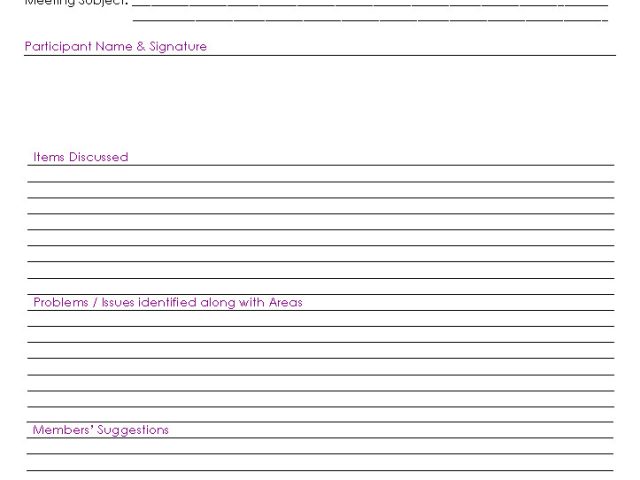
3. Document Consistently Sign-in sheets prove compliance. Include date, topic, attendees, and supervisor signature. Store records for at least one year.
4. Rotate Topics Monthly Use a 12-month safety calendar. Cycle through core topics quarterly, with deep dives on emerging risks.
Example calendar: - January: Cold stress - April: Fall protection - July: Heat stress - October: Ladder safety
5. Act on Feedback If workers report a recurring hazard (e.g., loose scaffolding), address it immediately—and make it the next talk.
Common Mistakes That Undermine Toolbox Talks
Even experienced foremen slip into pitfalls:
- Reading from a script: Kills engagement. Use bullet points, not paragraphs.
- Same person every time: Rotate facilitators to build ownership.
- No follow-up: If a hazard is identified, fix it—and report back.
- Ignoring near-misses: These are free lessons. Use them.
- Skipping talks during rush periods: High-pressure days need safety focus most.
Reality check: A 15-minute talk can prevent a 3-week downtime from an injury. The ROI is undeniable.
Making Safety Stick: Closing Thoughts
Toolbox talks aren’t just meetings—they’re behavioral nudges. They interrupt routine, reset focus, and reinforce that safety isn’t someone else’s job.
The most effective programs treat these talks as living conversations, not compliance theater. They link topics to real site conditions, invite participation, and act on what’s discussed.
Pick one high-risk area your crew faces this week. Hold a focused talk. Make it visual, practical, and brief. Repeat next week. Over time, the cumulative effect reshapes culture.
Safety isn’t built in a day. It’s built in 10-minute increments, one toolbox talk at a time.
Frequently Asked Questions
What is the purpose of a safety toolbox talk? To deliver short, focused safety discussions that address immediate hazards and reinforce safe practices on construction sites.
How often should toolbox talks be held? Weekly or biweekly is ideal. Daily talks are recommended on high-risk projects or during critical phases.
Who should lead a toolbox talk? Supervisors, foremen, or safety officers—but rotating facilitators can increase engagement and ownership.
Do toolbox talks need to be documented? Yes. Attendance logs with topic, date, and signatures help demonstrate compliance during audits.
Can toolbox talks reduce accident rates? Yes. Sites with consistent, relevant talks report fewer incidents due to increased awareness and hazard recognition.
Should all crew members attend? Yes. Everyone on site, including subcontractors, should participate to ensure unified safety understanding.
What makes a toolbox talk effective? Relevance to current work, interactive delivery, visual aids, and follow-up on identified hazards.
FAQ
What should you look for in Essential Safety Toolbox Topics for Construction Sites? Focus on relevance, practical value, and how well the solution matches real user intent.
Is Essential Safety Toolbox Topics for Construction Sites suitable for beginners? That depends on the workflow, but a clear step-by-step approach usually makes it easier to start.
How do you compare options around Essential Safety Toolbox Topics for Construction Sites? Compare features, trust signals, limitations, pricing, and ease of implementation.
What mistakes should you avoid? Avoid generic choices, weak validation, and decisions based only on marketing claims.
What is the next best step? Shortlist the most relevant options, validate them quickly, and refine from real-world results.


/cdn.vox-cdn.com/uploads/chorus_image/image/70269281/112379621.0.jpg)


