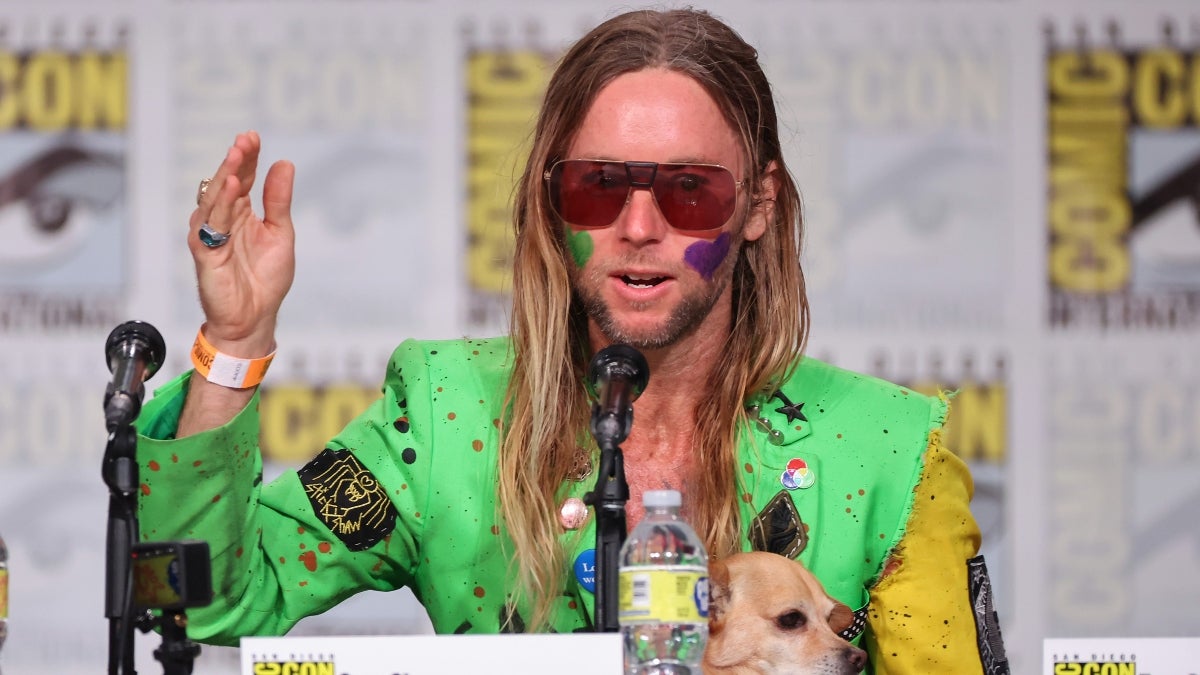
Greg Cipes, the voice behind Beast Boy in Teen Titans Go!, has once again ignited a firestorm in the animation community—this time by publicly addressing his controversial exit from the franchise. What began as a casual social media comment quickly escalated into a full-blown discussion about creative control, actor treatment, and the often-hidden tensions behind beloved cartoons. Fans are split. Industry insiders are talking. And Cartoon Network remains silent.
This isn’t just about one actor or one cartoon. It’s a case study in how modern voice acting careers intersect with corporate decisions, fan loyalty, and the long shelf life of animated content.
The Firing That Never Stayed Quiet
Greg Cipes voiced Beast Boy across multiple iterations of the Teen Titans franchise—from the original 2003 series through the comedic reboot Teen Titans Go! that premiered in 2013. Over time, the character evolved, and so did audience expectations. But when Teen Titans Go! began transitioning into new animated formats and specials post-2022, Cipes was no longer credited.
At first, the omission seemed routine—common in long-running shows where voice actors cycle out due to scheduling, budget, or creative shifts. But when Cipes confirmed he hadn’t been asked back, the narrative changed.
In a recent interview, he stated: “I didn’t leave. I was let go. And no one told me why.”
That quote, brief and unfiltered, lit the match.
Fans recalled the original Teen Titans series—praised for its emotional depth, character arcs, and near-anime storytelling. Teen Titans Go!, while commercially successful, was often criticized for its slapstick humor and departure from the source material. For many, Cipes was Beast Boy: his improvisational energy, comedic timing, and vocal elasticity defined the character across a generation.
His firing wasn’t just a staffing change—it felt like a betrayal.
Why the Reaction Was So Intense
The backlash wasn’t just about nostalgia. It exposed deeper tensions in how voice actors are treated in animation.
Voice performers rarely have the same visibility as on-screen talent. They’re paid per episode, not per popularity. And unless they're attached to massive franchises like The Simpsons or SpongeBob, they rarely gain long-term job security—even in shows that run for over a decade.
Cipes’ case highlights this precariousness.
Consider these factors:

- Longevity without stability: Cipes played Beast Boy for nearly 20 years. Yet, he had no contractual guarantee of continued involvement.
- No public explanation: Cartoon Network offered no official statement, fueling speculation about creative differences, budget cuts, or internal politics.
- Fan investment: Beast Boy’s personality—goofy, emotional, loyal—mirrored Cipes’ own on-stage persona. The actor and character became inseparable in the public eye.
When fans took to Reddit, Twitter, and YouTube, the sentiment wasn’t just “bring him back.” It was deeper: Why are the people who built these shows being discarded without explanation?
How the Industry Handles Voice Actor Transitions
Replacing a voice actor isn’t uncommon, but the way it’s handled can make or break fan trust.
Take these real-world parallels:
- SpongeBob SquarePants: When original voice actor Rodger Bumpass (Squidward) briefly left due to contract disputes, Nickelodeon communicated transparently. Interim recordings were labeled, and Bumpass returned with fanfare.
- The Simpsons: Harry Shearer’s near-exit in 2015 triggered mass media coverage. Fox negotiated publicly, acknowledging his cultural impact.
- Teen Titans Go!: In contrast, Cartoon Network remained silent. No press release. No behind-the-scenes feature. Just a casting change buried in credits.
The silence speaks volumes.
In the age of social media, audiences expect transparency. When studios ghost their talent, it reads as disrespect—especially when the actor has helped carry a franchise for years.
Cipes didn’t ask for a spotlight. He asked for clarity. And by not providing it, Cartoon Network amplified the drama.
What Actually Changed With Beast Boy?
It’s worth asking: Did the character even need a new voice?
Beast Boy in Teen Titans Go! is a far cry from his original incarnation. Once a brooding, shape-shifting teen with identity struggles, he’s now a joke machine—constantly breaking the fourth wall, obsessed with burritos, and living in absurd, non-serialized skits.
Cipes leaned into the humor. He improvised lines, brought physicality to recordings, and often rewrote dialogue on the fly. Former writers have admitted up to 30% of Beast Boy’s lines in later seasons were unscripted—pure Cipes.
So when a new actor steps in, the performance isn’t just different. It’s a recalibration of the entire character’s rhythm.
Early fan reactions to the new voice (still unconfirmed officially) describe it as “flatter,” “more robotic,” and “missing the chaos.” That’s not just bias—it’s a recognition of performance nuance.
Voice acting isn’t about reading lines. It’s about embodying energy. And for a character like Beast Boy, energy is the character.
The Bigger Picture: Animation Labor in the Streaming Era
Cipes’ situation isn’t isolated. It reflects broader shifts in animation.
With streaming platforms demanding faster production and lower costs, voice actors are increasingly treated as replaceable cogs. Union protections (like those from SAG-AFTRA) help, but many animated projects use non-union contracts or outsource voices internationally to cut expenses.
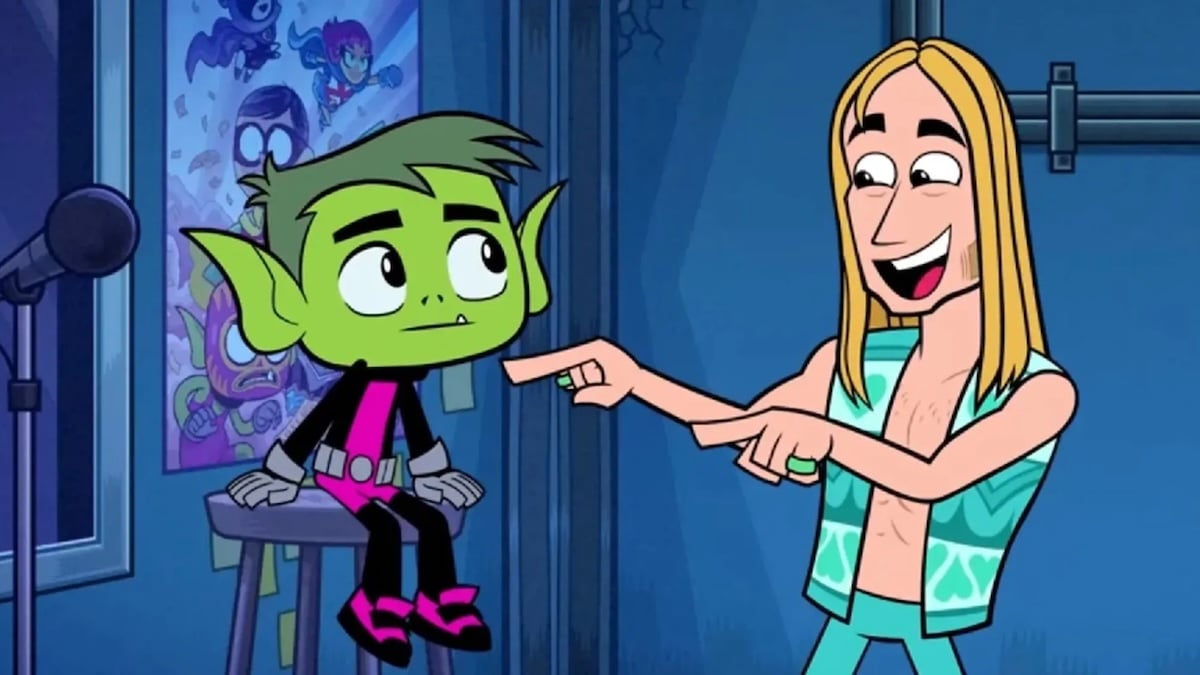
Meanwhile, reboots and spin-offs multiply. Characters live on. Merchandise sells. But the people who gave them life? Often left behind.
Consider this:
- A single Teen Titans Go! episode can generate millions in ad revenue on YouTube.
- Beast Boy plushies, games, and comics continue to sell.
- Yet, the actor who defined the voice for two decades is cut loose without comment.
This isn’t just about fairness. It’s about sustainability. If studios keep cycling out talent without acknowledgment, they risk alienating the very audiences that keep these franchises alive.
Cartoon Network’s Pattern of Silence
This isn’t the first time Cartoon Network has faced backlash over talent treatment.
- In 2020, the network canceled Infinity Train after four seasons, despite strong critical praise and fan campaigns. Creator Owen Dennis confirmed the cancellation wasn’t creative—it was financial.
- OK K.O.! Let’s Be Heroes was similarly axed, with staff learning via social media.
- Multiple voice actors from Adventure Time and Regular Show have spoken about inconsistent pay and lack of residuals.
There’s a pattern: prioritize brand over people.
When Greg Cipes said he was “let go,” he wasn’t just talking about a job. He was highlighting a culture.
And fans are starting to notice.
What Fans Can Do—And What’s at Stake
Boycotts rarely work in TV animation. But awareness does.
Here’s how audiences are responding:
- Petitions: A Change.org petition demanding Cipes’ return has garnered over 250,000 signatures.
- Social campaigns: #JusticeForBeastBoy and #CipesStayedGo trended globally after his interview.
- Streaming manipulation: Fans are rewatching classic episodes featuring Cipes’ performances, boosting their visibility on Max and Hulu.
- Merchandise pressure: Some are refusing to buy new Beast Boy products, calling them “inauthentic.”
These actions aren’t just emotional. They’re economic signals.
Streaming platforms track viewer data obsessively. When older episodes outperform new ones, it sends a message: audiences prefer the original voice.
Similarly, when social engagement spikes around a fired actor, studios take note—especially when it threatens brand reputation.
The Path Forward: Accountability and Legacy
Greg Cipes didn’t seek controversy. But by speaking honestly, he forced a conversation Cartoon Network has long avoided.
Moving forward, the network has choices:
- Acknowledge the past: Issue a public statement thanking Cipes for his contributions.
- Reintegrate thoughtfully: Bring him back for guest appearances or legacy episodes.
- Improve transparency: Set clear expectations for voice actors on long-running shows.
- Honor creative input: Recognize improvisation and performance as value-adds, not extras.
The Teen Titans franchise isn’t going away. But its legacy depends on how it treats the people who built it.
Beast Boy was always the heart of the team—chaotic, passionate, and real. Maybe the show’s leadership could learn a thing or two from him.
Actionable Takeaway
If you’re a fan, don’t just vent online. Support creators directly. Rewatch original episodes. Share interviews with Cipes. Demand transparency from networks. And remember: the voices behind your favorite characters aren’t just actors—they’re artists who shaped your childhood. Treat them like it.
Frequently Asked Questions
Why was Greg Cipes fired from Teen Titans Go!? Cartoon Network has not provided an official reason. Greg Cipes stated he was “let go” without explanation, sparking speculation about budget cuts or creative changes.
Who is voicing Beast Boy now? The replacement actor has not been officially confirmed by Cartoon Network. Fan analyses suggest a new voice in recent episodes and shorts.
Did Greg Cipes voice Beast Boy in the original Teen Titans? Yes. Greg Cipes voiced Beast Boy in both the 2003 Teen Titans series and its comedic sequel Teen Titans Go! from 2013 onward.
Is Teen Titans Go! ending? As of now, the show is still in production. However, the removal of key original cast members has led to concerns about its future direction.
Are other Teen Titans voice actors leaving? No official departures have been confirmed. But Cipes’ firing has raised fears among fans about potential cast changes across the franchise.
Can fan campaigns bring Greg Cipes back? While not guaranteed, sustained fan pressure has influenced network decisions in the past—such as renewals for Brooklyn Nine-Nine and Lucifer.
Is Cartoon Network responding to the backlash? As of publication, Cartoon Network has not issued a public statement regarding Cipes’ departure or the fan response.
FAQ
What should you look for in Beast Boy Voice Actor Sparks Cartoon Network Controversy? Focus on relevance, practical value, and how well the solution matches real user intent.
Is Beast Boy Voice Actor Sparks Cartoon Network Controversy suitable for beginners? That depends on the workflow, but a clear step-by-step approach usually makes it easier to start.
How do you compare options around Beast Boy Voice Actor Sparks Cartoon Network Controversy? Compare features, trust signals, limitations, pricing, and ease of implementation.
What mistakes should you avoid? Avoid generic choices, weak validation, and decisions based only on marketing claims.
What is the next best step? Shortlist the most relevant options, validate them quickly, and refine from real-world results.




/cdn.vox-cdn.com/uploads/chorus_image/image/70269281/112379621.0.jpg)

