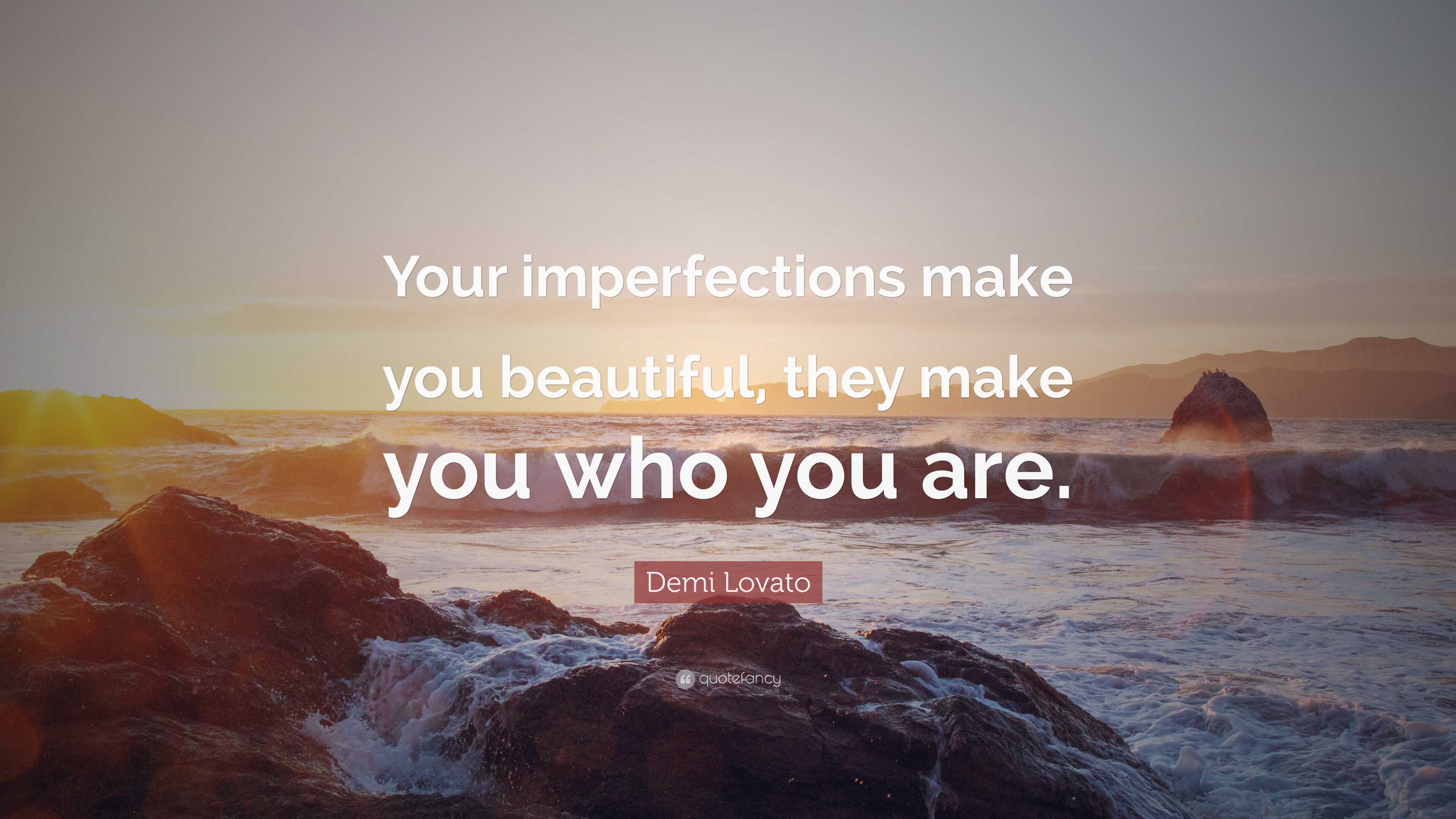
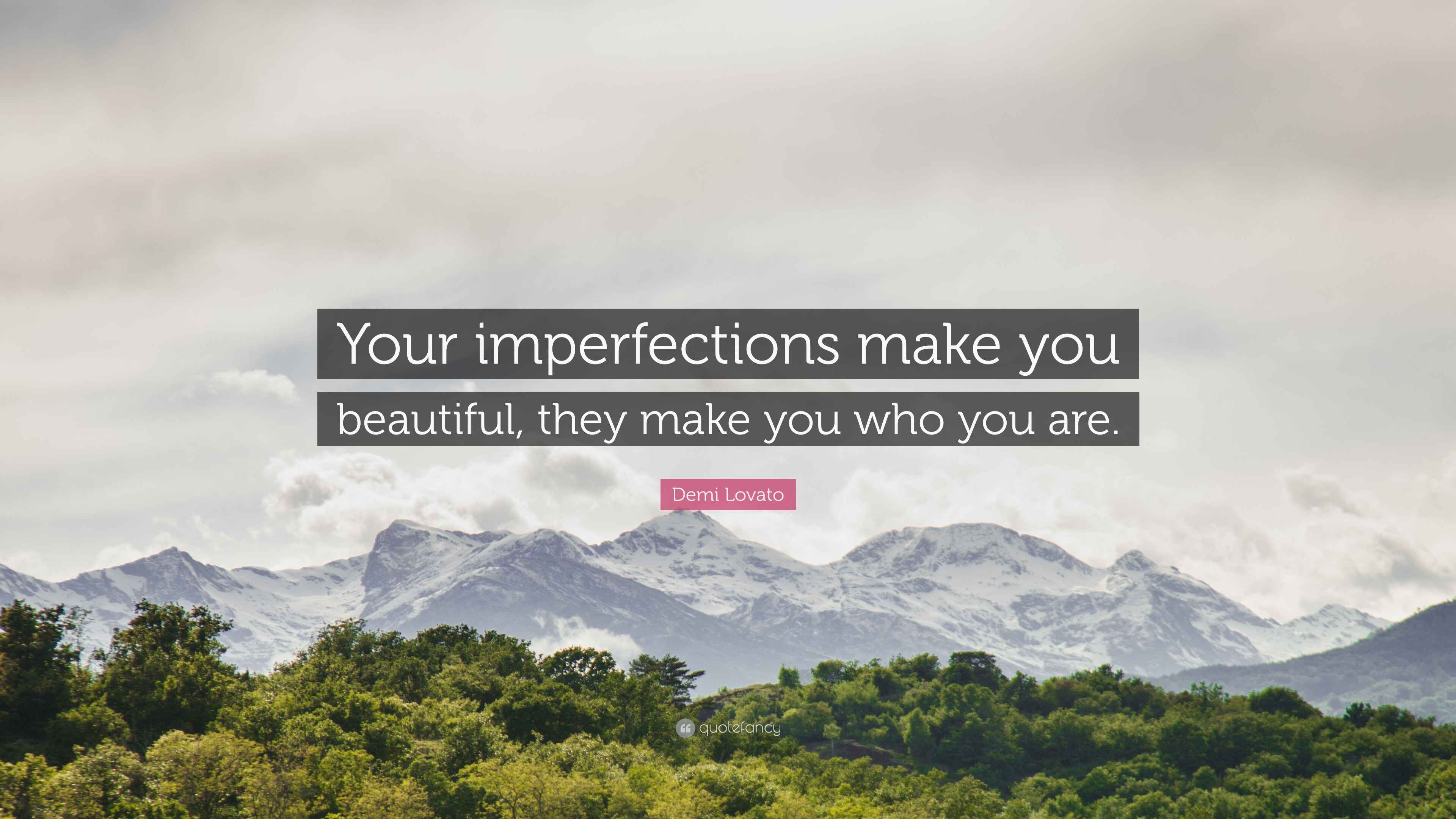
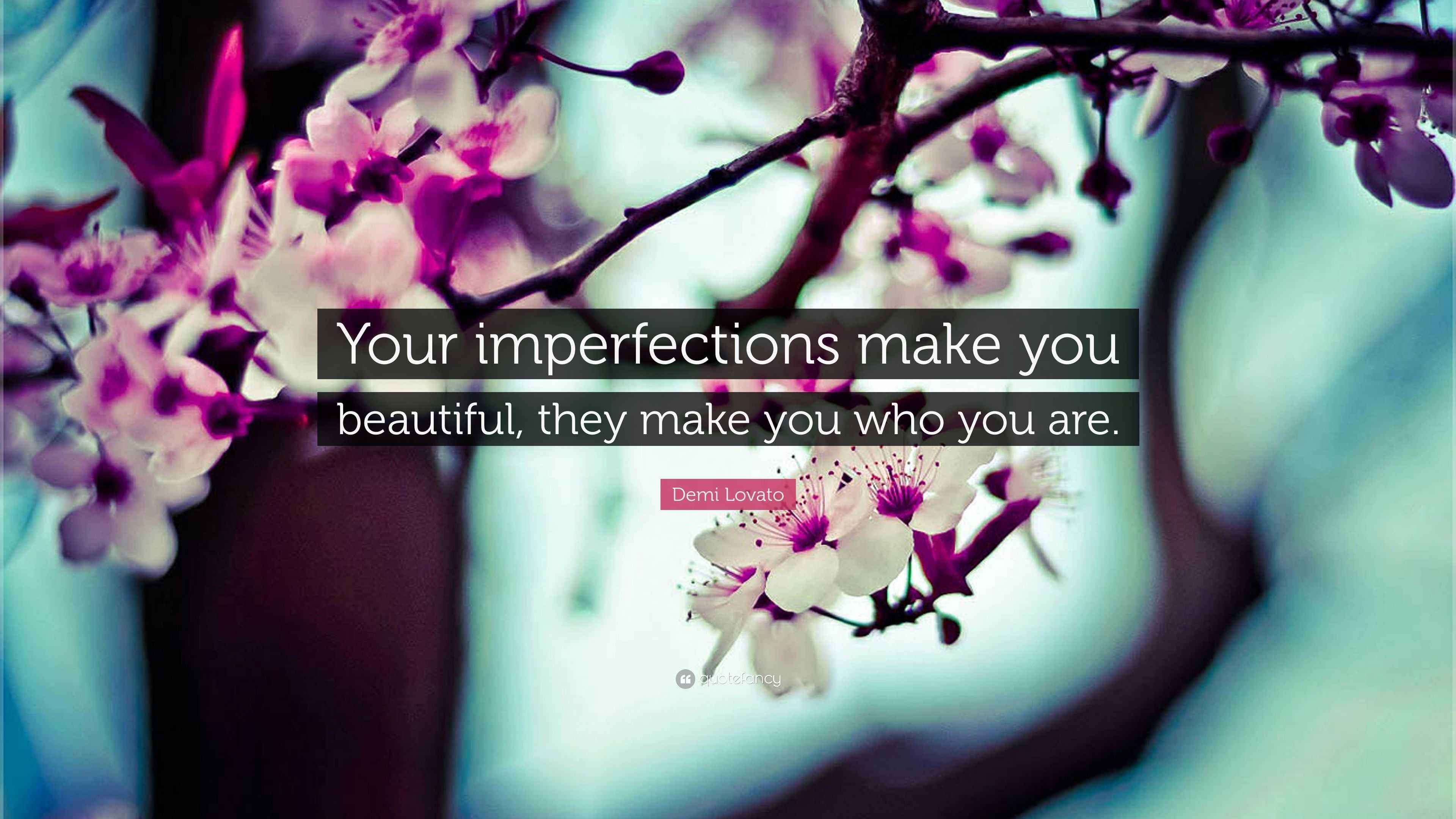
There’s a quiet power in imperfection. Not the kind that crashes in with fanfare, but the kind that settles into your bones after years of trying—and failing—to be someone else. When Demi Lovato said, “Your imperfections make you beautiful. They make you who you are. So just be yourself. Love yourself for who you are,” it wasn’t just a throwaway line. It was a manifesto. A rallying cry for anyone who’s ever looked in the mirror and winced at what they saw.
That quote—often shared as the “quote of the day by Demi Lovato”—is more than an Instagram-worthy caption. It’s a distillation of a life lived publicly, painfully, and honestly. Lovato, a singer, actor, and mental health advocate, has spent over a decade under the microscope, battling addiction, eating disorders, identity struggles, and the relentless pressure of fame. Her words land because they’re forged in real struggle, not polished for mass consumption.
This isn’t just about body image. It’s about the full spectrum of human experience—the cracks, the scars, the stumbles. And it’s in those very flaws that we find our strength, our originality, and our path to real happiness.
Why This Quote Resonates in a World of Perfection
We’re drowning in curated perfection. Social media feeds are highlight reels of flawless skin, dream vacations, and #blessed moments. Algorithms reward the polished, the aesthetic, the ideal. But beneath the surface, anxiety rises. Studies show that constant comparison to idealized images leads to increased rates of depression, body dysmorphia, and low self-worth—especially among young people.
Demi’s message cuts through that noise. It’s radical in its simplicity: You don’t need to fix yourself to be worthy.
Consider this: A teenager scrolling past influencers with filtered faces and perfect proportions sees Demi’s quote and hears something different. Not “lose weight,” “change your hair,” or “be more like her.” Instead: You’re already enough.
That’s not naivety. It’s resistance.
And it’s backed by psychology. Research in positive psychology emphasizes self-compassion as a stronger predictor of resilience than self-esteem. Why? Because self-esteem depends on achievement and comparison, while self-compassion thrives in the mess. It says, I’m struggling, and that’s okay. I’m imperfect, and I still matter.
The Link Between Self-Acceptance and Lasting Happiness
Happiness isn’t a destination you reach by shedding your flaws. It’s a practice—one rooted in acceptance.
Demi’s journey reflects this. After years of battling anorexia and substance abuse, their path to recovery wasn’t about becoming “perfectly healthy” overnight. It was about showing up, relapsing, healing, and continuing—without self-condemnation.
In a 2021 interview, Demi said, “I’ve had to learn that healing isn’t linear. Some days I feel confident. Other days I don’t. But I’m learning to love the process.”
That’s the core of emotional maturity: understanding that happiness isn’t the absence of pain, but the presence of self-kindness amid it.
Real-world example: Imagine two people dealing with social anxiety. - Person A hides it, avoids events, and berates themselves for being “awkward.” - Person B acknowledges the fear, goes anyway, and says, “I’m nervous, but I’m proud of myself for trying.”
Who is more likely to grow? Who experiences deeper joy when they succeed?
The answer is clear. Self-acceptance isn’t passive. It’s the foundation of courage.
Struggle as a Catalyst for Authentic Success
Demi Lovato’s career is a case study in how struggle fuels artistry and influence.
From Camp Rock to Sorry Not Sorry, their music evolved as their personal challenges deepened. Songs like “Skyscraper” and “Warrior” weren’t just hits—they were lifelines. Written from the depths of recovery, they resonated because they were raw, unfiltered, and real.
That authenticity is what builds lasting success. Audiences can spot a façade. They crave truth.
Consider the business world: Companies that admit mistakes, show vulnerability, and prioritize purpose over polish—like Patagonia or Ben & Jerry’s—build deeper loyalty. Why? Because people trust what’s real.
The same applies to personal success. When you stop hiding your flaws, you free up energy. Energy once spent on pretending can now go toward creating, connecting, and growing.
Common mistake: Many people equate success with perfection. They delay launching a business, sharing art, or speaking up—waiting until they “have it all together.” But the most impactful voices are often the ones that say, “I don’t have it all figured out, but here’s what I’ve learned.”
Demi’s quote isn’t just about feeling good. It’s a strategy for impact.
Human Nature and the Fear of Being Seen
At our core, humans are wired for connection. But we’re also terrified of rejection. So we mask. We perform. We edit ourselves into oblivion.
Psychologist Carl Rogers called this the “conditions of worth”—the idea that we only feel valuable if we meet certain standards. Love yourself if you’re thin. Be accepted if you’re successful. Fit in if you’re quiet, funny, or charismatic enough.
Demi’s message dismantles that conditional thinking. Love yourself. Full stop.
This is radical because it rejects the transactional nature of self-worth. You don’t earn love through achievement. You claim it by existing.
Realistic use case: A woman recovering from burnout returns to work. Instead of pretending she’s “back to 100%,” she tells her team, “I’m still healing. I might need flexibility, but I’m committed.”
By being honest, she sets healthy boundaries—and earns respect. Her imperfection becomes a strength.
This is the paradox: The more we hide our struggles, the more isolated we feel. The more we share them, the more we connect.
How to Live
This Quote Every Day
Knowing the quote is one thing. Living it is another.
Here’s how to turn Demi’s wisdom into daily practice:
- Replace self-criticism with curiosity
- Instead of “I’m so bad at this,” try “I wonder why this is hard for me?” This shifts you from judgment to problem-solving.
- Celebrate “imperfect” wins
- Finished a project even though it wasn’t perfect? That’s courage. Acknowledge it.
- Limit comparison
- Unfollow accounts that make you feel “less than.” Curate a feed that reflects real life.
- Use affirmations that include flaws
- Say: “I am worthy, even when I struggle,” not “I am perfect.” The first is believable. The second often backfires.
- Share your story selectively
- Vulnerability isn’t about oversharing. It’s about choosing safe spaces to be real—therapy, trusted friends, support groups.
- Reframe relapse as data
- If you fall off a habit—exercise, eating, mindfulness—don’t scrap the effort. Ask: What triggered this? What can I adjust?
These aren’t grand gestures. They’re small acts of rebellion against a culture that demands flawlessness.
The Ripple Effect of Self-Love
When you love yourself—not conditionally, but deeply and consistently—you change the emotional climate around you.
Parents who accept their own struggles raise kids who feel safe to be imperfect. Leaders who admit mistakes create cultures of psychological safety. Friends who show up authentically give others permission to do the same.
Demi Lovato’s advocacy extends beyond music. Through documentaries like Dancing with the Devil and partnerships with mental health organizations, they’ve turned personal pain into public healing.
That’s the ultimate lesson: Your imperfections aren’t just yours. They’re gifts. When you stop hiding them, you give others courage to do the same.
In a world obsessed with filters, being real is revolutionary.
Closing: Start Where You Are
You don’t need to be healed to be whole. You don’t need to be fixed to be loved.
Demi Lovato’s quote isn’t a finish line. It’s a starting point.
Begin today. Look in the mirror and say one kind thing—about your body, your effort, your resilience. Write it down if you have to. Text it to a friend.
Because the world doesn’t need more perfection. It needs more truth. More courage. More people who say, “This is me. I’m not perfect. And I’m still beautiful.”
That’s not just self-love. That’s legacy.
FAQ
What is Demi Lovato’s quote about self-acceptance? Demi Lovato said, “Your imperfections make you beautiful. They make you who you are. So just be yourself. Love yourself for who you are.” It’s a call to embrace authenticity and self-love.
Why is this quote so popular? It resonates because it’s honest and relatable. Coming from someone who’s faced public struggles with mental health and identity, the message carries weight and credibility.
How can I practice self-love like Demi Lovato suggests? Start by challenging negative self-talk, celebrating small wins, limiting social media comparison, and sharing your truth in safe spaces.
Does self-acceptance mean giving up on self-improvement? No. Self-acceptance means improving from a place of love, not shame. You can grow without rejecting who you are right now.
Has Demi Lovato spoken about mental health? Yes. Demi has openly discussed their battles with addiction, eating disorders, bipolar disorder, and recovery, becoming a leading voice in mental health advocacy.
How does embracing imperfection lead to success? Authenticity builds trust and connection. People respond to real stories, not perfect images—making vulnerability a strength in personal and professional life.
Can this quote help with anxiety or depression? While not a cure, the mindset of self-compassion can reduce shame and isolation, which are common in anxiety and depression. It’s often used in therapeutic approaches like CBT and mindfulness.
FAQ
What should you look for in Demi Lovato’s Quote on Self-Love and Embracing Imperfection? Focus on relevance, practical value, and how well the solution matches real user intent.
Is Demi Lovato’s Quote on Self-Love and Embracing Imperfection suitable for beginners? That depends on the workflow, but a clear step-by-step approach usually makes it easier to start.
How do you compare options around Demi Lovato’s Quote on Self-Love and Embracing Imperfection? Compare features, trust signals, limitations, pricing, and ease of implementation.
What mistakes should you avoid? Avoid generic choices, weak validation, and decisions based only on marketing claims.
What is the next best step? Shortlist the most relevant options, validate them quickly, and refine from real-world results.



/cdn.vox-cdn.com/uploads/chorus_image/image/70269281/112379621.0.jpg)

